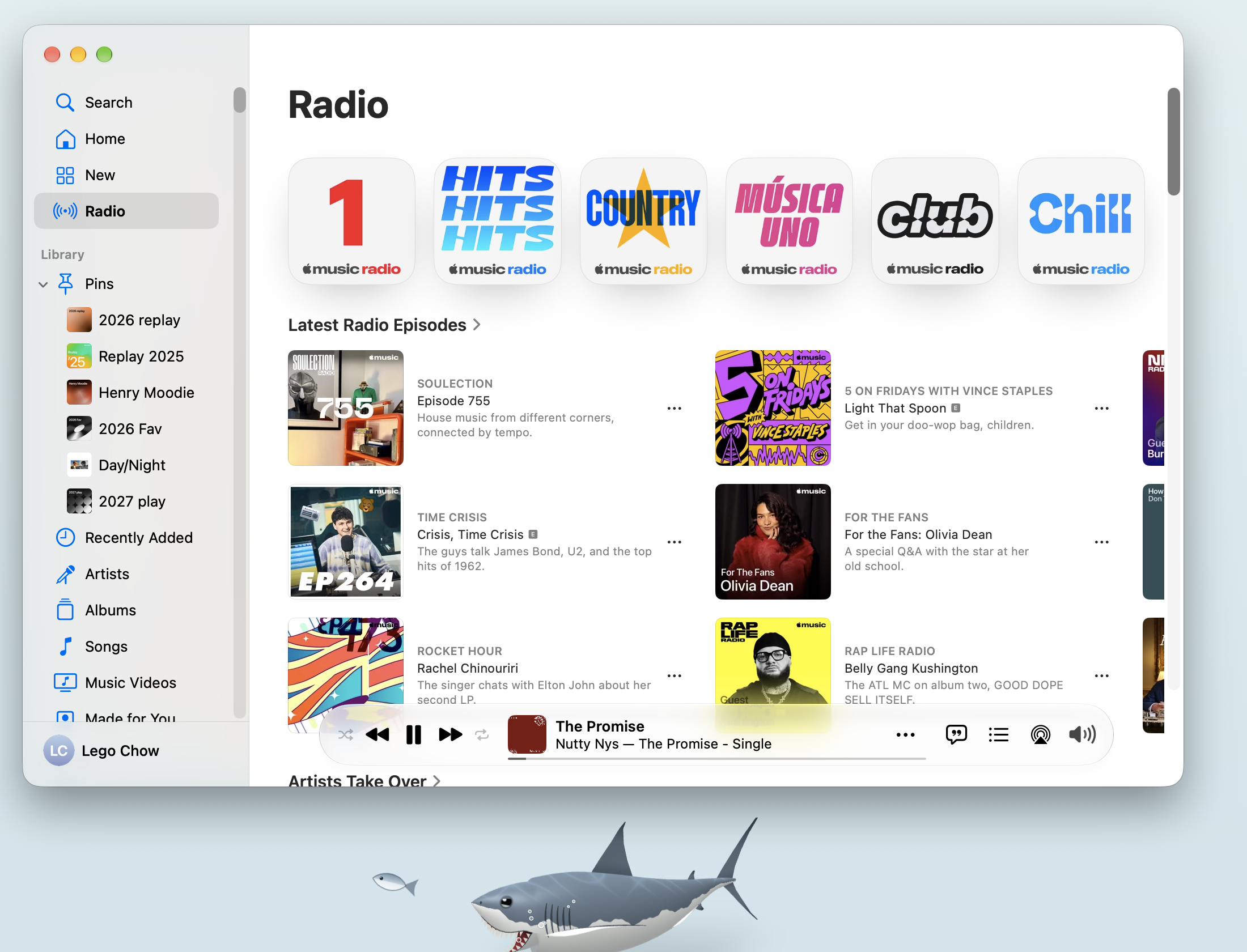
The Best Music Streaming Services for Audiophiles: A Complete Comparison of Spotify, Apple Music, TIDAL, Amazon Music, Deezer, Qobuz, YouTube Music and HIGHRESAUDIO
An in-depth guide to music streaming, lossless audio, high-resolution sound quality, digital downloads and the best platforms for serious music listeners.
Research and pricing reference: November 2026
Pricing market: United States (US$)
Focus: Audiophile sound quality, streaming technology, music catalogues, device compatibility and overall value.
1. Introduction: The Evolution of Music Streaming
Music streaming has transformed how people discover, listen to and collect music. Physical formats such as vinyl records and CDs have gradually been joined by digital downloads and subscription-based streaming services. Today, listeners can access enormous music catalogues through smartphones, computers, tablets, smart speakers, network streamers and dedicated Hi-Fi equipment.
However, not all music streaming platforms deliver the same experience. Some concentrate on music discovery, playlists and social features, while others place greater emphasis on lossless audio, high-resolution recordings, classical music catalogues and audiophile playback.
The difference is particularly important for listeners who invest in quality headphones, digital-to-analogue converters (DACs), amplifiers and high-end loudspeakers.
Eight services deserve consideration:
- Spotify – A major music discovery and streaming platform with lossless audio.
- Apple Music – A comprehensive music service with ALAC Lossless, Hi-Res Lossless and Dolby Atmos.
- TIDAL – A premium streaming platform offering FLAC lossless and high-resolution audio.
- Amazon Music – A streaming service with HD, Ultra HD and spatial audio.
- Deezer – A music platform combining discovery features with lossless and high-resolution FLAC.
- Qobuz – An audiophile-oriented service focused on high-resolution music and editorial content.
- YouTube Music – A discovery-oriented platform with a particularly broad range of music-related content.
- HIGHRESAUDIO (HRA) – A specialist high-resolution music platform offering studio-master downloads and streaming.
This article examines their sound quality, technical capabilities, subscription costs, music catalogues, device compatibility and suitability for different listening environments.
The central question is not simply which service offers the highest sample rate. It is which platform delivers the best overall experience for a particular listener, music collection and audio system.
2. Understanding Digital Audio Quality
Before comparing streaming services, it is useful to understand the technical specifications used to describe digital music.
Three measurements are particularly important:
- Bit depth
- Sample rate
- Bitrate
These measurements describe different aspects of digital audio and should not be confused with one another.
2.1 Bit depth
Bit depth determines the number of possible digital amplitude values used to represent an audio signal.
Common specifications include:
| Bit depth | Typical application |
|---|---|
| 16-bit | CD-quality audio |
| 24-bit | High-resolution audio and studio production |
| 32-bit float | Digital audio production and processing |
CD audio uses 16-bit resolution. Many high-resolution music releases use 24-bit resolution.
A higher bit depth provides a greater theoretical dynamic range and more precision when representing low-level signals.
For reference:
- 16-bit audio has a theoretical dynamic range of approximately 96 dB.
- 24-bit audio has a theoretical dynamic range of approximately 144 dB.
These figures describe theoretical digital capabilities. Actual recordings, mastering and playback equipment determine the practical dynamic range experienced by listeners.
2.2 Sample rate
Sample rate describes how many times per second an analogue signal is measured during digital conversion.
| Sample rate | Typical description |
|---|---|
| 44.1 kHz | CD standard |
| 48 kHz | Common video and professional audio standard |
| 88.2 kHz | High-resolution audio |
| 96 kHz | High-resolution audio |
| 176.4 kHz | High-resolution audio |
| 192 kHz | High-resolution audio |
A 44.1 kHz recording contains 44,100 samples per second for each channel.
According to the Nyquist-Shannon sampling theorem, a sample rate can theoretically reproduce frequencies below half the sampling frequency. This means 44.1 kHz audio can represent frequencies up to approximately 22.05 kHz.
Higher sample rates are useful in recording, mixing and production workflows. However, they do not automatically guarantee better sound quality during normal music playback.
2.3 Bitrate
Bitrate measures how much digital data is used to represent audio per second. It is usually expressed in kilobits per second (kbps) or megabits per second (Mbps).
For compressed audio, bitrate is an important indicator of how much data is retained.
Typical examples include:
| Format or quality | Approximate bitrate |
|---|---|
| MP3 128 kbps | 128 kbps |
| MP3 320 kbps | 320 kbps |
| AAC 256 kbps | 256 kbps |
| FLAC CD quality | Approximately 700–1,100 kbps |
| FLAC 24-bit/96 kHz | Approximately 2–3 Mbps |
| FLAC 24-bit/192 kHz | Approximately 4–6 Mbps |
Lossless bitrate varies according to the music, recording and compression efficiency. The figures above are illustrative rather than fixed specifications.
2.4 Lossy versus lossless audio
Digital music formats can be divided into two broad categories.
Lossy compression
Lossy formats reduce file size by permanently removing some audio information.
Common examples include:
- MP3
- AAC
- Ogg Vorbis
- Opus
These formats are useful for mobile streaming because they reduce bandwidth and storage requirements.
Lossless compression
Lossless formats reduce file size without permanently discarding the original digital audio information.
Common examples include:
- FLAC
- ALAC
A lossless file can be decoded to reproduce the original PCM audio data exactly.
WAV and AIFF are also commonly used for uncompressed PCM audio.
2.5 What is CD-quality audio?
Compact Disc Digital Audio uses:
- 16-bit bit depth
- 44.1 kHz sample rate
- Two-channel stereo
- Uncompressed PCM audio
This is often described as 16-bit/44.1 kHz or CD quality.
CD-quality audio remains an excellent listening format. A well-mastered CD-quality recording can sound better than a poorly mastered high-resolution release.
2.6 What is Hi-Res Audio?
High-resolution audio generally refers to digital recordings exceeding CD specifications.
Typical examples include:
- 24-bit/44.1 kHz
- 24-bit/48 kHz
- 24-bit/88.2 kHz
- 24-bit/96 kHz
- 24-bit/176.4 kHz
- 24-bit/192 kHz
Some specialist platforms also sell DSD recordings.
Hi-Res Audio is particularly attractive to listeners with capable DACs and high-quality audio systems. Nevertheless, the quality of the original recording and mastering remains more important than the resolution number alone.
3. Digital Music Formats Explained
Different streaming platforms use different formats and delivery technologies.
3.1 MP3
MP3 is one of the best-known lossy audio formats.
Advantages:
- Small file sizes
- Broad device compatibility
- Efficient streaming
- Extensive software support
Disadvantages:
- Permanent loss of audio information
- Not suitable for bit-perfect lossless playback
MP3 remains useful for portable listening and older devices.
3.2 AAC
Advanced Audio Coding (AAC) is another lossy format.
It is widely used by Apple devices and many streaming services.
AAC can provide good perceived sound quality at relatively modest bitrates. Apple Music’s AAC delivery is relevant for situations where lossless playback is unavailable or disabled.
3.3 FLAC
Free Lossless Audio Codec (FLAC) is one of the most important formats for audiophiles.
Advantages:
- Lossless compression
- Supports high-resolution PCM audio
- Broad compatibility with Hi-Fi equipment
- Open format
- Supports extensive metadata
FLAC is used by services including TIDAL, Qobuz and Deezer.
3.4 ALAC
Apple Lossless Audio Codec (ALAC) is Apple’s lossless audio format.
It preserves the original audio data while reducing file size.
ALAC is particularly relevant to Apple Music, Apple devices and users who maintain their own digital music libraries.
3.5 WAV and AIFF
WAV and AIFF are commonly used uncompressed audio formats.
They can contain CD-quality or high-resolution PCM recordings.
Their main disadvantages are larger file sizes and less efficient storage compared with lossless compression.
3.6 DSD
Direct Stream Digital (DSD) is a different digital audio encoding approach commonly associated with SACD and specialist audiophile recordings.
Common DSD specifications include:
- DSD64
- DSD128
- DSD256
DSD is supported by selected DACs and specialist music download platforms.
Not every streaming service supports native DSD playback. In many cases, DSD recordings must be purchased and downloaded separately.
4. The Eight Music Streaming Services at a Glance
| Platform | Main audio offering | Maximum advertised or supported quality | Main strength |
|---|---|---|---|
| Spotify | Lossless FLAC | Up to 24-bit/44.1 kHz | Discovery and usability |
| Apple Music | ALAC Lossless and Hi-Res Lossless | Up to 24-bit/192 kHz | Apple ecosystem and broad features |
| TIDAL | FLAC Lossless and Hi-Res FLAC | Up to 24-bit/192 kHz | Hi-Fi streaming and device integration |
| Amazon Music | HD and Ultra HD | Up to 24-bit/192 kHz | Value and Amazon ecosystem |
| Deezer | FLAC Lossless and Hi-Res FLAC | Up to 24-bit/192 kHz for eligible tracks | Music discovery and lossless playback |
| Qobuz | FLAC Lossless and Hi-Res | Up to 24-bit/192 kHz | Audiophile catalogue and editorial content |
| YouTube Music | AAC and Opus | Up to 256 kbps | Music discovery and video integration |
| HIGHRESAUDIO | Studio-master downloads and streaming | Formats vary; downloads can include PCM up to 384 kHz and DSD | Specialist high-resolution releases |
Maximum specifications do not mean every track is available at that quality. Actual playback depends on the recording, platform catalogue, subscription, device, application and connection.
5. Spotify: Music Discovery Meets Lossless Streaming
5.1 Overview
Spotify is one of the world’s most widely used music streaming platforms. Its success is built around convenience, music discovery, personalised playlists and broad device compatibility.
Historically, Spotify was associated with lossy compressed audio. Its introduction of lossless streaming has made it more relevant to listeners who care about audio fidelity.
Spotify’s catalogue, recommendation engine and user experience remain its strongest advantages.
5.2 Audio quality
Spotify Premium now supports lossless FLAC streaming at up to:
- 24-bit
- 44.1 kHz
This is above CD bit-depth resolution but does not reach the 96 kHz or 192 kHz sample rates offered by several competitors.
Spotify also offers compressed playback quality settings for users who want to reduce data consumption.
Lossless availability depends on supported markets, devices and software versions.
5.3 Spotify Connect
Spotify Connect allows users to control playback on compatible devices over a network.
Instead of relying entirely on Bluetooth, the phone or computer can act as a controller while the compatible speaker or streamer handles playback.
This is particularly convenient for:
- Wireless speakers
- Network streamers
- AV receivers
- Smart speakers
- Multi-room audio systems
Spotify Connect is one of the platform’s strongest ecosystem features.
5.4 Music discovery
Spotify’s recommendation system is a major competitive advantage.
Popular features include:
- Discover Weekly
- Release Radar
- Daily Mixes
- Personalised playlists
- Collaborative playlists
- Artist and genre recommendations
For listeners who enjoy exploring new music, Spotify remains one of the most compelling platforms.
5.5 Offline listening
Premium subscribers can download music for offline listening within the Spotify application.
The downloaded files are protected by the service and cannot be treated as permanently owned FLAC music files.
5.6 US subscription pricing
| Plan | Monthly price |
|---|---|
| Premium Individual | US$12.99 |
| Premium Student | US$6.99 |
| Premium Duo | US$18.99 |
| Premium Family | US$21.99 |
Prices and eligibility should be checked at the time of subscription.
5.7 Strengths and weaknesses
Strengths
- Excellent music discovery
- Strong personalised recommendations
- Broad device compatibility
- Spotify Connect
- Lossless streaming
- Easy-to-use applications
Weaknesses
- Maximum lossless specification is lower than several Hi-Res competitors
- No native 24-bit/96 kHz or 24-bit/192 kHz lossless tier
- Offline downloads are not independent music files
Verdict
Spotify is an excellent everyday music platform. Its lossless upgrade makes it more attractive to quality-conscious listeners, but dedicated audiophiles may prefer services offering higher-resolution recordings.
Official website: https://www.spotify.com/
6. Apple Music: A Strong Combination of Hi-Res Audio and Ecosystem Integration
6.1 Overview
Apple Music is one of the most interesting services for audiophiles because it combines a large music catalogue, lossless audio, high-resolution playback, Dolby Atmos and deep integration with Apple devices.
Apple introduced Lossless and Hi-Res Lossless audio without requiring a separate premium Hi-Fi subscription tier.
This makes Apple Music particularly competitive in terms of the amount of audio technology included in its standard subscription.
6.2 Apple Music audio quality
Apple Music uses ALAC for lossless audio.
Its two main lossless categories are:
| Quality | Bit depth | Sample rate |
|---|---|---|
| Lossless | Up to 24-bit | 48 kHz |
| Hi-Res Lossless | Up to 24-bit | 192 kHz |
The service also provides standard compressed AAC playback.
Hi-Res Lossless requires a suitable playback chain. An external DAC is generally needed when an iPhone or other device cannot provide the required sample rate through its built-in audio output.
6.3 Apple Lossless Audio Codec (ALAC)
ALAC is Apple’s lossless audio format.
It provides several advantages:
- Preserves the original digital audio data
- Reduces file size compared with uncompressed PCM
- Integrates with Apple software
- Supports high-resolution PCM
- Suitable for maintaining a lossless music library
ALAC is particularly convenient for users who already use Apple Music, macOS and iOS.
6.4 Dolby Atmos and Spatial Audio
Apple Music includes a large catalogue of Dolby Atmos music.
Dolby Atmos uses object-based audio techniques to create an immersive listening experience beyond conventional two-channel stereo.
Instead of positioning all sound exclusively between left and right speakers, Atmos mixes can place sound elements in a three-dimensional sound field.
Compatible playback options include:
- Supported headphones
- Compatible Apple devices
- Apple TV 4K
- Selected AV receivers and sound systems
- Compatible Dolby Atmos speakers
It is important to distinguish Dolby Atmos from high-resolution stereo.
They are different approaches to audio presentation. An Atmos mix is not automatically better than a well-produced stereo master.
6.5 Apple Music and iPhone
Apple Music is deeply integrated into iOS.
Users can access music through:
- The Music application
- Siri
- Control Centre
- Lock Screen controls
- CarPlay
- AirPlay
- Apple Watch
For lossless playback, the user must configure audio quality settings.
On an iPhone or iPad:
- Open Settings.
- Select Apps.
- Select Music.
- Open Audio Quality.
- Enable Lossless Audio.
- Select the preferred streaming and download quality.
The available options depend on the device and software version.
6.6 Apple Music on Mac
The macOS Music application supports lossless and high-resolution audio playback.
Users can configure:
- Streaming quality
- Download quality
- Lossless playback
- Hi-Res Lossless playback
For sample rates beyond the capabilities of the Mac’s built-in audio hardware, an external DAC may be required.
A dedicated USB DAC is recommended for serious headphone listening.
6.7 Apple Music on iPad
The iPad provides a useful combination of portability and high-quality playback.
It can be connected to:
- USB DACs
- USB headphone amplifiers
- Powered speakers
- External audio interfaces
- Compatible digital audio systems
A USB-C iPad can provide a convenient digital connection to many external DACs.
6.8 Apple Music on Apple TV 4K
Apple TV 4K is particularly useful for home entertainment.
It supports Apple Music and Dolby Atmos playback through compatible audio systems.
It can be connected to:
- AV receivers
- Soundbars
- Home theatre systems
- Compatible televisions
However, Apple TV should not automatically be assumed to provide every Hi-Res Lossless format at its original sample rate. Its audio output and format handling depend on the playback path and device configuration.
6.9 Apple Music and HomePod
HomePod provides convenient access to Apple Music through Apple’s ecosystem.
It is designed primarily for wireless listening rather than serving as a traditional external DAC or bit-perfect USB audio output.
It is therefore best understood as an integrated smart speaker rather than a dedicated audiophile source component.
6.10 Apple Music and CarPlay
Apple Music integrates naturally with CarPlay.
Users can access their music library, playlists, albums and recommendations through a vehicle’s compatible infotainment system.
Actual audio quality depends on the vehicle’s audio system, connection and playback implementation.
6.11 Apple Music on Windows and Android
Apple Music is not limited to Apple hardware.
It is available through applications and supported playback options on Windows and Android.
This makes it possible to use Apple Music even when the main listening system is not built around Apple devices.
6.12 Apple Music Classical
Apple Music subscribers also receive access to Apple Music Classical.
The service is designed to make classical music easier to explore through:
- Composer searches
- Work and movement information
- Conductors and performers
- Orchestra information
- Classical album collections
- Editorial recommendations
This is a useful advantage for classical music enthusiasts.
6.13 Offline downloads
Apple Music allows subscribers to download music for offline listening.
Downloads can be available in lossless quality when the relevant settings are enabled.
Existing downloads may need to be deleted and downloaded again after changing audio-quality settings.
These files remain subscription-controlled. They are not equivalent to purchasing permanent FLAC or ALAC albums.
6.14 Apple Music US pricing
| Plan | Monthly price |
|---|---|
| Individual | US$11.99 |
| Student | US$6.99 |
| Family | US$19.99 |
Apple Music’s lossless and Spatial Audio features are included in eligible subscriptions.
6.15 Strengths and weaknesses
Strengths
- Lossless ALAC
- Hi-Res Lossless up to 24-bit/192 kHz
- Dolby Atmos
- Apple Music Classical
- Excellent Apple ecosystem integration
- Offline downloads
- Competitive subscription pricing for its features
Weaknesses
- Hi-Res playback requires suitable hardware
- Bluetooth does not provide native lossless playback through standard Bluetooth audio codecs
- Music downloads are subscription-controlled
- Some third-party Hi-Fi systems offer more direct integration with competing platforms
Verdict
Apple Music is one of the strongest all-round choices for audiophiles. Its combination of high-resolution audio, Dolby Atmos, classical music features and Apple ecosystem integration makes it particularly attractive.
For listeners using iPhone, iPad and Mac, Apple Music offers excellent overall value.
Official website: https://www.apple.com/apple-music/
7. TIDAL: High-Fidelity Streaming for Serious Music Listeners
7.1 Overview
TIDAL has developed a strong identity around high-quality music streaming.
Its main appeal is the combination of a large music catalogue, lossless FLAC playback, high-resolution audio and support for selected Hi-Fi equipment.
It is particularly relevant to listeners who want a streaming service that integrates with dedicated network audio systems.
7.2 TIDAL audio quality
TIDAL offers several audio quality levels.
| Quality | Format | Maximum specification |
|---|---|---|
| Low | AAC | Up to 320 kbps |
| High | FLAC | 16-bit/44.1 kHz |
| Max | Hi-Res FLAC | Up to 24-bit/192 kHz |
The availability of high-resolution files varies by album and track.
TIDAL’s use of FLAC is important because it provides a widely supported lossless format.
7.3 TIDAL Connect
TIDAL Connect allows users to control compatible network audio devices directly from the TIDAL application.
It is useful for:
- Network streamers
- Wireless speakers
- Hi-Fi amplifiers
- AV receivers
- Multi-room audio systems
The playback device can receive the music stream directly rather than relying on a phone to transmit the entire audio signal through Bluetooth.
This can provide a more convenient and technically appropriate playback path.
7.4 Hi-Fi integration
TIDAL is supported by a range of audio equipment manufacturers.
Depending on the product, integration may include:
- Native TIDAL applications
- TIDAL Connect
- Network streaming
- Integrated amplifier applications
- Desktop playback
- Mobile playback
Compatibility should always be checked against the specific model and firmware.
7.5 Music discovery and editorial content
TIDAL offers:
- Curated playlists
- Artist recommendations
- Personalised mixes
- New releases
- Genre collections
- Editorial selections
Its music discovery features are useful, although Spotify remains particularly strong in personalised recommendation technology.
7.6 Offline listening
Subscribers can download music for offline playback within the TIDAL application.
These downloads are protected and are not permanent independent music files.
7.7 TIDAL US pricing
| Plan | Monthly price |
|---|---|
| Individual | US$11.99 |
| Student | US$6.99 |
| Family | US$19.99 |
| DJ Individual | US$19.99 |
Taxes and eligibility conditions may apply.
7.8 Strengths and weaknesses
Strengths
- FLAC lossless streaming
- Hi-Res FLAC up to 24-bit/192 kHz
- TIDAL Connect
- Strong Hi-Fi equipment integration
- Dolby Atmos catalogue
- Offline listening
Weaknesses
- Not every track is available in high resolution
- Subscription prices and features can change
- Some equipment integrations depend on the manufacturer
Verdict
TIDAL is a strong choice for people who want high-resolution music streaming with convenient network audio integration.
It is particularly attractive for users with compatible Hi-Fi streamers and amplifiers.
Official website: https://tidal.com/
8. Amazon Music: HD, Ultra HD and Spatial Audio
8.1 Overview
Amazon Music is a major competitor in the premium music streaming market.
Its appeal comes from its integration with Amazon services and devices, broad music catalogue and support for HD and Ultra HD audio.
For audiophiles, the most relevant service is Amazon Music Unlimited.
8.2 Amazon Music audio quality
Amazon uses several quality categories.
| Quality | Format and specification |
|---|---|
| Standard Definition | Lossy compressed audio |
| HD | Lossless, 16-bit/44.1 kHz |
| Ultra HD | Hi-Res lossless, up to 24-bit/192 kHz |
| Spatial Audio | Dolby Atmos and 360 Reality Audio on supported releases |
Amazon’s HD tier provides CD-quality lossless playback.
Ultra HD provides higher-resolution recordings when available.
8.3 Dolby Atmos and 360 Reality Audio
Amazon Music offers selected immersive audio recordings.
Supported formats include:
- Dolby Atmos
- Sony 360 Reality Audio
These formats provide an alternative to conventional stereo playback.
Compatible headphones, speakers and audio equipment are required for the intended experience.
8.4 Amazon Music and Echo devices
Amazon Music integrates closely with Alexa-enabled devices.
Users can control playback using voice commands.
This is convenient for:
- Echo smart speakers
- Echo Studio
- Fire TV
- Compatible AV systems
- Multi-room Alexa setups
However, not every Echo model supports every high-resolution audio format.
8.5 Amazon Music on computers and mobile devices
Amazon Music is available on:
- iOS
- Android
- Windows
- macOS
- Web browsers
- Selected smart TVs
- Fire TV devices
The desktop application is particularly relevant to listeners who want to use an external DAC with a computer.
Actual output quality depends on the device, software and audio configuration.
8.6 Offline listening
Amazon Music Unlimited subscribers can download eligible music for offline listening.
The downloads are protected by the service and cannot be treated as permanent independent FLAC files.
8.7 Amazon Music US pricing
Current US pricing for Amazon Music Unlimited includes:
| Plan | Monthly price |
|---|---|
| Individual, non-Prime | US$12.99 |
| Individual, Prime member | US$11.99 |
| Family | US$21.99 |
| Student | US$5.99 |
Amazon also offers selected annual billing options and promotional trials.
The Single Device plan has separate limitations and should not be confused with the full HD and Ultra HD subscription.
8.8 Strengths and weaknesses
Strengths
- HD lossless audio
- Ultra HD up to 24-bit/192 kHz
- Dolby Atmos
- 360 Reality Audio
- Alexa integration
- Broad device support
- Competitive pricing for Prime members
Weaknesses
- Application experience can be less consistent than some competitors
- High-resolution playback depends on device support
- Not all tracks are available in Ultra HD
- Offline downloads are subscription-controlled
Verdict
Amazon Music Unlimited is a strong value proposition for listeners who want lossless and high-resolution audio without paying for a specialist audiophile service.
It is especially attractive for households already using Amazon Prime, Alexa and Echo devices.
Official website: https://music.amazon.com/
9. Deezer: Music Discovery with High-Resolution FLAC
9.1 Overview
Deezer is an established music streaming platform with a focus on music discovery, playlists and personalised listening.
Its HiFi offering has historically centred on CD-quality FLAC. In October 2026, Deezer announced an upgrade to high-resolution FLAC streaming at up to 24-bit/192 kHz for eligible paid subscribers and compatible recordings.
This makes Deezer a more significant competitor in the audiophile streaming market.
9.2 Deezer audio quality
Deezer’s audio offering includes:
- Compressed streaming
- Lossless FLAC
- High-resolution FLAC
Its announced high-resolution specification reaches:
- 24-bit
- 192 kHz
The upgrade is subject to market, track and device availability.
9.3 Deezer music discovery
Deezer offers several discovery features:
- Flow personalised music recommendations
- Editorial playlists
- Genre-based playlists
- Artist recommendations
- New releases
- Mood-based collections
Flow is one of Deezer’s defining features.
It provides a continuous personalised stream based on listening history and musical preferences.
9.4 Deezer and device compatibility
Deezer supports a broad range of devices, including:
- iPhone and iPad
- Android devices
- Windows and macOS
- Web browsers
- Selected smart speakers
- Sonos
- Selected connected audio systems
The maximum quality available depends on the application and receiving device.
9.5 Offline downloads
Deezer subscribers can download music for offline playback.
As with other subscription platforms, downloaded music remains protected by the service.
9.6 Deezer US pricing
Indicative US subscription pricing includes:
| Plan | Monthly price |
|---|---|
| Premium | Around US$11.99 |
| Duo | Around US$15.99 |
| Family | Around US$19.99 |
| Student | Around US$5.99 |
Prices can differ according to billing channel, promotional offers and subscription changes. Check Deezer’s current checkout price before subscribing.
9.7 Strengths and weaknesses
Strengths
- Lossless FLAC
- High-resolution FLAC upgrade
- Flow recommendation system
- Broad device support
- Offline playback
- Strong music discovery features
Weaknesses
- High-resolution availability may vary
- Hi-Res integration with some Hi-Fi equipment may be less extensive than TIDAL or Qobuz
- The US pricing displayed by app stores can differ from direct subscription pricing
Verdict
Deezer is an interesting option for listeners who value personalised music discovery but also want access to high-quality lossless and high-resolution recordings.
Its 2026 Hi-Res upgrade makes it more competitive with established audiophile streaming services.
Official website: https://www.deezer.com/
10. Qobuz: A Platform Built Around High-Resolution Music
10.1 Overview
Qobuz has a particularly strong reputation among audiophiles.
Unlike platforms that primarily focus on social listening and personalised playlists, Qobuz places considerable emphasis on high-resolution recordings, music journalism and detailed album information.
Its catalogue includes classical, jazz, rock, electronic, pop and many other genres.
10.2 Qobuz audio quality
Qobuz offers lossless and high-resolution FLAC streaming.
Its maximum supported specification is:
- 24-bit
- 192 kHz
It also provides CD-quality 16-bit/44.1 kHz playback.
10.3 Qobuz Studio
Qobuz Studio is the main streaming subscription.
Features include:
- Lossless music streaming
- Hi-Res FLAC
- Offline listening
- Editorial content
- Album reviews
- Music recommendations
The platform also offers different household subscription arrangements.
10.4 Qobuz Sublime
Qobuz Sublime combines streaming with discounts on eligible high-resolution music purchases.
This is particularly interesting for people who want to build a permanent digital music collection.
Subscribers can receive discounts on selected albums purchased from the Qobuz download store.
The actual discount depends on the album and applicable offer.
10.5 Qobuz editorial content
Qobuz has a strong editorial identity.
Its content includes:
- Album reviews
- Artist interviews
- Music recommendations
- Genre guides
- Classical music features
- Recording information
This helps users discover music beyond automated recommendations.
10.6 Qobuz and Hi-Fi equipment
Qobuz is supported by a range of network streamers and Hi-Fi manufacturers.
Depending on the device, integration may include:
- Native Qobuz applications
- Network streaming
- Dedicated control applications
- Desktop playback
- Mobile playback
It is particularly useful for users with network audio systems that support high-resolution FLAC.
10.7 Qobuz downloads and ownership
One of Qobuz’s important differences is its digital download store.
Users can purchase eligible albums and download them in supported formats.
Purchased files are separate from subscription streaming access and can be retained independently, subject to the store’s purchase terms.
This provides a practical route to building a permanent digital music library.
10.8 Qobuz US pricing
Current US Studio pricing includes:
| Plan | Monthly equivalent |
|---|---|
| Studio Solo, annual billing | Around US$10.83 |
| Studio Solo, monthly billing | US$12.99 |
| Studio Duo, annual billing | Around US$14.99 |
| Studio Family, annual billing | Around US$17.99 |
| Studio Student | Around US$4.99 |
Qobuz Sublime starts at approximately US$14.99 per month on its annual-payment arrangement.
Prices and subscription structures can change, so consult the official US offers page.
10.9 Strengths and weaknesses
Strengths
- High-resolution FLAC up to 24-bit/192 kHz
- Strong audiophile identity
- High-quality editorial content
- Download purchase options
- Discounts through Sublime
- Broad support among specialist audio manufacturers
Weaknesses
- Music discovery can feel less sophisticated than Spotify
- Catalogue availability varies by country
- Some users may find the interface less engaging
- The value of Sublime depends on purchasing high-resolution albums
Verdict
Qobuz is one of the strongest choices for dedicated audiophiles.
It is especially attractive for people who appreciate high-resolution recordings, detailed album information and the option to purchase permanent digital music.
Official website: https://www.qobuz.com/
11. YouTube Music: The Discovery and Music Video Platform
11.1 Overview
YouTube Music is different from traditional audiophile streaming services.
Its main strength is access to a huge range of music-related content, including official recordings, music videos, live performances, remixes, covers and user-uploaded material.
It is particularly useful for discovering music that may not be available through conventional streaming catalogues.
11.2 Audio quality
YouTube Music Premium supports audio quality settings up to:
- 256 kbps AAC
- 256 kbps Opus
These are lossy compressed formats.
YouTube Music does not currently compete directly with the lossless and high-resolution services in this comparison.
11.3 Music discovery
YouTube Music is particularly strong for discovering:
- Live performances
- Concert recordings
- Acoustic versions
- Remixes
- Covers
- Unofficial recordings
- Rare music videos
- Music from independent creators
Its relationship with the wider YouTube platform gives it access to an unusually broad range of music-related content.
11.4 YouTube Music and Google services
YouTube Music integrates with:
- Android
- Google Assistant
- Google Home
- Chromecast
- Smart TVs
- Web browsers
- Mobile devices
This makes it convenient for people already using Google’s ecosystem.
11.5 Offline listening
YouTube Music Premium supports offline downloads through its application.
These downloads are subscription-controlled and cannot be treated as permanent independent audio files.
11.6 YouTube Music US pricing
YouTube subscription prices can vary by billing channel and plan.
Users should check the official YouTube Premium and YouTube Music subscription pages for the current US price.
11.7 Strengths and weaknesses
Strengths
- Excellent access to music videos
- Large selection of live performances and remixes
- Strong discovery features
- Google ecosystem integration
- Offline listening with Premium
Weaknesses
- No native lossless music tier comparable with Apple Music, TIDAL or Qobuz
- Maximum advertised music audio quality is 256 kbps AAC or Opus
- Audio quality can depend on the original uploaded content
Verdict
YouTube Music is an excellent supplementary service for discovering music, live recordings and unusual versions.
It is not the strongest choice for audiophile listening when lossless or high-resolution playback is the main requirement.
Official website: https://music.youtube.com/
12. HIGHRESAUDIO: Specialist High-Resolution Music
12.1 Overview
HIGHRESAUDIO, often abbreviated as HRA, is a specialist platform focused on high-resolution music.
It differs from mainstream subscription services because it places much greater emphasis on studio-master recordings and high-quality digital music distribution.
It is particularly relevant to listeners who want to purchase high-resolution music files rather than depend entirely on subscription streaming.
12.2 Studio-master recordings
HIGHRESAUDIO offers music in formats and resolutions that can include:
- FLAC
- ALAC
- DSD
- Other specialist formats for selected releases
Its published studio-master specifications include PCM resolutions ranging from CD quality up to 384 kHz, as well as DSD formats.
Not every album is available in every format or resolution.
12.3 FLAC downloads
FLAC is particularly useful for high-resolution music collections because it provides:
- Lossless compression
- Broad DAC compatibility
- Support for high-resolution PCM
- Good metadata support
- Efficient storage
For most users, FLAC is a practical format for maintaining a long-term digital music library.
12.4 ALAC downloads
ALAC is useful for Apple-oriented music libraries.
It integrates with Apple-compatible playback software and selected network audio devices.
The available resolution depends on the specific release and format offered.
12.5 DSD downloads
DSD is an important feature for specialist audiophile recordings.
It is used by some high-end DACs and dedicated music playback systems.
Before purchasing DSD albums, check that the intended playback equipment and software support the required DSD specification.
12.6 Download ownership
Purchasing music from a download store is fundamentally different from subscribing to a streaming service.
A purchased album can generally be retained as a local music file and played through compatible software and equipment.
This makes HIGHRESAUDIO particularly relevant for collectors who want to build a permanent digital library.
The purchase terms and permitted uses should always be checked for each transaction.
12.7 Streaming and subscription considerations
HIGHRESAUDIO also provides streaming-related services and applications.
However, it should not be evaluated as though it were simply another mainstream unlimited music subscription.
Its specialist catalogue, studio-master downloads and music distribution model are central to its identity.
Subscription availability, streaming features and pricing should be checked directly with HIGHRESAUDIO because they may differ from mainstream monthly services.
12.8 Strengths and weaknesses
Strengths
- Specialist high-resolution catalogue
- Studio-master downloads
- FLAC and other high-quality formats
- Selected DSD releases
- Suitable for permanent music collections
- Detailed recording and format information
Weaknesses
- More specialised catalogue than mainstream services
- Not the most convenient option for everyday music discovery
- Download prices can become expensive for large collections
- Format compatibility requires more attention
Verdict
HIGHRESAUDIO is particularly valuable for dedicated collectors and audiophiles who want access to specialist studio-master recordings.
It works best as a complement to a mainstream streaming subscription rather than necessarily replacing one.
Official website: https://www.highresaudio.com/
13. Overall Audio Quality Comparison
The following table compares the principal audio capabilities of the eight services.
| Platform | Lossless | Hi-Res | Maximum stated specification |
|---|---|---|---|
| Spotify | Yes | Limited | 24-bit/44.1 kHz |
| Apple Music | Yes | Yes | 24-bit/192 kHz |
| TIDAL | Yes | Yes | 24-bit/192 kHz |
| Amazon Music | Yes | Yes | 24-bit/192 kHz |
| Deezer | Yes | Yes | 24-bit/192 kHz |
| Qobuz | Yes | Yes | 24-bit/192 kHz |
| YouTube Music | No | No | 256 kbps AAC/Opus |
| HIGHRESAUDIO | Yes | Yes | Downloads vary; PCM up to 384 kHz and DSD |
The table describes platform capabilities, not a guarantee that every song is available at the maximum resolution.
13.1 Which platform has the best audio quality?
There is no universally correct winner based only on sample rate.
Apple Music, TIDAL, Amazon Music, Deezer and Qobuz all offer high-resolution streaming up to 24-bit/192 kHz.
Qobuz and HIGHRESAUDIO are particularly interesting for people who value specialist high-resolution releases and downloadable music.
TIDAL is attractive for network audio integration.
Apple Music provides an excellent combination of high-resolution stereo and Dolby Atmos.
Amazon Music offers a competitive mix of HD, Ultra HD and spatial audio.
13.2 Does 192 kHz sound better than 96 kHz?
Not necessarily.
A 24-bit/192 kHz file contains more data than a 24-bit/96 kHz file, but this does not guarantee an audible improvement.
The recording, mastering, DAC implementation, analogue output stage, headphones and listening environment all contribute to the final sound.
A well-mastered 24-bit/96 kHz recording may sound better than a poorly mastered 24-bit/192 kHz recording.
14. Understanding the DAC: Why It Matters for Audiophiles
A digital-to-analogue converter (DAC) transforms digital audio data into an analogue signal that can be amplified and played through headphones or loudspeakers.
Every digital playback system requires a DAC somewhere in the signal chain.
Examples include:
- Smartphone DACs
- Computer audio hardware
- USB DACs
- Desktop headphone DACs
- Portable DACs
- Network streamer DACs
- Integrated amplifier DACs
- AV receiver DACs
14.1 Built-in DAC versus external DAC
A built-in DAC is convenient and often sufficient for everyday listening.
An external DAC may provide:
- Better analogue output stages
- More headphone amplification power
- Additional input options
- Higher supported sample rates
- Lower noise and distortion
- Better integration with dedicated Hi-Fi systems
However, a more expensive DAC does not automatically produce better sound.
The entire system must be considered.
14.2 USB DAC
A USB DAC connects directly to a computer, smartphone or tablet.
Common connections include:
- USB-C
- USB-A
- USB-B
- Lightning, where supported
USB DACs are popular among headphone enthusiasts because they can bypass less capable built-in analogue audio circuitry.
14.3 Portable DACs
Portable USB DACs are useful for mobile listening.
They can improve the headphone output stage of a smartphone or tablet and provide a convenient wired connection.
Some portable DACs support 24-bit/192 kHz or higher specifications.
14.4 Desktop DACs
Desktop DACs are designed for dedicated listening environments.
They are commonly used with:
- Desktop computers
- Headphone amplifiers
- Powered speakers
- Integrated amplifiers
- Stereo systems
14.5 Network streamers with built-in DACs
A network streamer receives digital music over a network and sends it to an audio system.
Some models include their own DAC and analogue outputs.
Others provide digital outputs for an external DAC.
A network streamer is particularly useful when building a dedicated Hi-Fi streaming system.
15. Wired Headphones versus Bluetooth Headphones
The connection between a source device and headphones can significantly affect audio quality.
15.1 Wired headphones
A wired connection is generally the preferred option for audiophile listening.
Advantages include:
- No Bluetooth codec compression
- Reliable digital or analogue connection
- No wireless transmission limitations
- Compatibility with dedicated headphone amplifiers
- Potential for higher-quality playback chains
A USB DAC can be used between a phone or computer and wired headphones.
15.2 Bluetooth audio
Bluetooth headphones offer convenience, but standard Bluetooth audio transmission normally uses lossy codecs.
Common Bluetooth audio codecs include:
- SBC
- AAC
- aptX
- aptX HD
- aptX Adaptive
- LDAC
- LC3
The codec used depends on the source device, headphone and Bluetooth implementation.
Even when a source application is playing lossless FLAC, the Bluetooth transmission path may encode the signal into a lossy format.
This means that lossless streaming does not automatically result in lossless Bluetooth playback.
15.3 Can Bluetooth deliver Hi-Res Audio?
Some Bluetooth codecs support higher bitrates and specifications than standard SBC or AAC.
LDAC, for example, can transmit at up to 990 kbps under suitable conditions.
However, this does not make the entire Bluetooth playback chain equivalent to a wired lossless connection.
The actual quality depends on:
- Codec
- Source device
- Headphones
- Wireless conditions
- Audio processing
- Implementation
15.4 Recommended approach
For everyday listening, Bluetooth headphones are convenient.
For critical audiophile listening, a wired connection through a suitable DAC and amplifier remains the safer choice.
16. Streaming Music versus Downloaded Music
Streaming and downloads serve different purposes.
16.1 Streaming
Streaming services provide access to large catalogues without requiring users to purchase each album.
Advantages:
- Large music libraries
- Easy discovery
- No need to manage individual files
- Convenient multi-device access
- Regular catalogue updates
Disadvantages:
- Requires an active subscription for continued access
- Availability can change because of licensing
- Downloaded offline files are generally protected
- Audio quality depends on the service and device
16.2 Offline downloads
Most premium services allow music to be downloaded for offline playback.
However, these files are normally encrypted or otherwise restricted to the service’s application.
They should not be confused with ordinary FLAC or ALAC files.
If a subscription ends, offline playback access is generally lost.
16.3 Permanent digital downloads
A purchased music file is different from an offline streaming download.
A permanent digital download can generally be stored and played independently using compatible software.
Formats may include:
- FLAC
- ALAC
- WAV
- AIFF
- DSD
The buyer should retain a backup and check the store’s licensing terms.
16.4 Which is better?
Streaming is better for convenience and music discovery.
Permanent downloads are better for long-term ownership and collection building.
A practical audiophile strategy is to use both.
For example:
- Apple Music or TIDAL for everyday streaming
- Qobuz for high-resolution streaming and purchases
- HIGHRESAUDIO for specialist studio-master releases
- Local FLAC files for a permanent personal music library
17. How Much Storage Does Hi-Res Music Require?
High-resolution music files can consume significant storage space.
Actual file sizes vary according to recording length, compression and musical content.
The following estimates are useful for planning.
| Format | Approximate size per hour |
|---|---|
| MP3 320 kbps | 144 MB |
| AAC 256 kbps | 115 MB |
| CD-quality FLAC | 250–400 MB |
| 24-bit/96 kHz FLAC | 500–900 MB |
| 24-bit/192 kHz FLAC | 1–2 GB |
These are approximate planning figures rather than fixed file sizes.
A 1 TB external SSD can store a substantial high-resolution music library.
For a larger collection, a NAS or dedicated music server may be useful.
17.1 External SSD
An external SSD is a practical solution for:
- Portable music collections
- Laptop-based music playback
- High-resolution downloads
- Backup storage
17.2 NAS storage
A Network Attached Storage (NAS) device provides centralised storage accessible over a home network.
It is useful for people who want to maintain a large music collection and access it from several devices.
A NAS can store:
- FLAC albums
- ALAC albums
- WAV and AIFF files
- DSD recordings
- Album artwork
- Music metadata
17.3 Backup strategy
A serious digital music collection should have a backup strategy.
A useful approach is:
- Main music library on a computer or NAS.
- Secondary backup on an external drive.
- Additional backup in another physical location or secure cloud storage.
A purchased digital album should not be considered safe simply because it is stored on one hard drive.
18. Stereo versus Spatial Audio
Traditional stereo uses two audio channels:
- Left
- Right
It remains the standard format for most music recordings.
Spatial audio introduces a more immersive presentation.
18.1 Dolby Atmos
Dolby Atmos uses object-based audio techniques to position sounds in a three-dimensional environment.
It can be experienced through compatible headphones, soundbars and speaker systems.
Apple Music and Amazon Music offer Dolby Atmos music.
TIDAL also provides a Dolby Atmos catalogue.
18.2 360 Reality Audio
Sony’s 360 Reality Audio is another immersive music format.
It uses spatial positioning techniques to create a three-dimensional sound field.
Amazon Music has supported selected 360 Reality Audio recordings.
18.3 Is spatial audio better than stereo?
Not automatically.
Some Atmos mixes can be impressive and immersive, while others may sound less natural than their stereo counterparts.
The quality of the mix and mastering is critical.
For critical listening, it is worth comparing both stereo and spatial versions of the same album.
19. Music Discovery and Personalised Recommendations
Sound quality is important, but music discovery is another major factor when choosing a streaming service.
| Platform | Main discovery strengths |
|---|---|
| Spotify | Personalised playlists and recommendation algorithms |
| Apple Music | Editorial playlists, recommendations and Apple Music Classical |
| TIDAL | Editorial content and personalised mixes |
| Amazon Music | Alexa integration, playlists and recommendations |
| Deezer | Flow and personalised listening |
| Qobuz | Editorial content, album reviews and recommendations |
| YouTube Music | Music videos, covers, live performances and remixes |
| HIGHRESAUDIO | Specialist catalogue and high-resolution releases |
19.1 Spotify
Spotify is particularly strong in automated discovery.
Its recommendation system can identify listening patterns and suggest music based on user behaviour.
19.2 Apple Music
Apple Music combines algorithmic recommendations with human editorial curation.
Apple Music Classical provides a more specialised experience for classical music.
19.3 TIDAL
TIDAL combines curated playlists, recommendations and artist-focused content.
19.4 Deezer
Deezer’s Flow feature is designed to create a continuous listening experience based on individual preferences.
19.5 Qobuz
Qobuz takes a more editorial approach.
Its articles, interviews and reviews can be particularly useful for listeners who want to explore albums and artists in greater depth.
19.6 YouTube Music
YouTube Music is particularly useful for discovering alternative versions and recordings that may not appear in conventional streaming catalogues.
20. Multi-Room Audio and Home Hi-Fi Integration
Many listeners want to use the same music service across several rooms.
A multi-room audio system can synchronise music across compatible speakers and audio devices.
20.1 AirPlay
Apple AirPlay allows users to send audio to compatible speakers and receivers over a network.
It is convenient for Apple users, although the actual audio format and quality depend on the source and receiving device.
20.2 Chromecast
Chromecast and Google Cast allow compatible applications to send media to supported devices.
It is widely used with Google and third-party smart speakers and audio products.
20.3 Spotify Connect
Spotify Connect lets users control compatible network devices from the Spotify application.
It is one of the platform’s strongest features.
20.4 TIDAL Connect
TIDAL Connect provides a similar control experience for supported TIDAL devices.
It is particularly useful for network audio systems.
20.5 Native network streaming
Some Hi-Fi manufacturers provide native integration with services such as TIDAL, Qobuz and Spotify.
This can be preferable to Bluetooth because the streamer receives the music directly over the network.
20.6 Choosing a multi-room system
Before purchasing a network streamer or wireless speaker, check:
- Supported music services
- Maximum supported resolution
- Native application availability
- AirPlay or Chromecast support
- Multi-room synchronisation
- Firmware support
- Digital output options
- Compatibility with external DACs
A device advertising 24-bit/192 kHz support does not necessarily support every streaming service at that resolution.
21. Subscription Pricing Comparison
The following table summarises indicative US individual subscription prices as of November 2026.
| Platform | Main individual plan | Monthly price |
|---|---|---|
| Spotify | Premium Individual | US$12.99 |
| Apple Music | Individual | US$11.99 |
| TIDAL | Individual | US$11.99 |
| Amazon Music | Unlimited Individual | US$12.99 |
| Amazon Music | Unlimited Individual for Prime members | US$11.99 |
| Deezer | Premium | Around US$11.99 |
| Qobuz | Studio Solo, annual billing | Around US$10.83 equivalent |
| Qobuz | Studio Solo, monthly billing | US$12.99 |
| YouTube Music | Premium subscription | Check current US offer |
| HIGHRESAUDIO | Specialist streaming and download model | Check current offer |
Prices can change and may differ according to billing provider, taxes, promotional offers and eligibility.
For Qobuz, annual billing is paid upfront even when the price is expressed as a monthly equivalent.
For HIGHRESAUDIO, individual music purchases and specialist streaming arrangements should be evaluated separately from conventional unlimited monthly subscriptions.
22. Which Music Streaming Service Offers the Best Value?
Value depends on what the listener wants.
Best everyday music service
Spotify
Spotify remains particularly attractive for discovery, playlists, recommendations and device compatibility.
Its lossless upgrade makes it a more serious audio-quality competitor.
Best all-round service for Apple users
Apple Music
Apple Music offers an excellent balance of high-resolution sound, Dolby Atmos, device integration and subscription value.
Best for network Hi-Fi systems
TIDAL
TIDAL Connect and high-resolution FLAC make it a strong option for compatible network audio equipment.
Best value for Amazon users
Amazon Music Unlimited
Its HD and Ultra HD audio, Alexa integration and Prime-member pricing make it attractive for existing Amazon customers.
Best for music discovery with lossless playback
Deezer
Deezer combines personalised listening with lossless and high-resolution FLAC support.
Best for dedicated audiophiles
Qobuz
Qobuz offers a strong combination of high-resolution streaming, editorial content and permanent music purchases.
Best for specialist studio-master downloads
HIGHRESAUDIO
HIGHRESAUDIO is especially relevant to collectors who want high-resolution downloads and specialist recordings.
Best for music videos and unusual recordings
YouTube Music
Its broad selection of live performances, covers, remixes and music videos makes it an excellent supplementary service.
23. Recommended Audiophile Setups
The best streaming service is only one part of a good audio system.
The playback chain should be selected to match the listener’s requirements and budget.
23.1 Simple high-quality headphone setup
A practical desktop or mobile system could include:
- Apple Music, TIDAL or Qobuz
- Computer, smartphone or tablet
- USB DAC
- Wired headphones
This is a relatively simple route to high-quality lossless and high-resolution playback.
23.2 Dedicated desktop Hi-Fi setup
A more advanced desktop system could include:
- Qobuz or TIDAL
- Windows PC or Mac
- External USB DAC
- Dedicated headphone amplifier
- High-quality wired headphones
This arrangement provides more flexibility for choosing audio equipment and managing playback.
23.3 Living-room Hi-Fi setup
A living-room system could include:
- TIDAL, Qobuz or Apple Music
- Network streamer
- External DAC or integrated amplifier with DAC
- Stereo amplifier
- Passive loudspeakers
This is a good approach for listeners who prefer traditional two-channel stereo.
23.4 Apple ecosystem setup
An Apple-focused system could include:
- iPhone or iPad
- Mac
- Apple Music
- USB DAC
- Wired headphones
- Apple TV 4K
- HomePod speakers
This provides a convenient combination of mobile, desktop and home listening.
23.5 Digital music collection setup
For listeners who want long-term ownership:
- Purchase high-resolution albums from Qobuz or HIGHRESAUDIO.
- Store files in FLAC or another suitable format.
- Maintain a central library on a NAS or computer.
- Back up the collection to external storage.
- Use a compatible player and DAC.
This approach reduces dependence on any single streaming subscription.
24. Artist Royalties and the Music Streaming Business
Music streaming has changed how artists and record labels earn revenue.
Most streaming services operate using licensing agreements and royalty distribution systems.
The amount an artist receives depends on several factors:
- Number of streams
- Country and market
- Subscription revenue
- Advertising revenue
- Rights ownership
- Label agreements
- Distributor agreements
- Contractual royalty arrangements
There is no universal fixed payment per stream.
A platform’s headline payment estimate does not necessarily represent the amount received by an individual artist.
24.1 Streaming versus music purchases
Streaming provides recurring access to a catalogue.
Purchasing a digital album provides a direct transaction for a specific release.
Both models have advantages.
Streaming can help listeners discover new artists, while purchases can provide a more direct form of support for particular releases.
24.2 Supporting artists
Listeners who want to support musicians can consider:
- Purchasing albums
- Buying concert tickets
- Buying merchandise
- Supporting independent labels
- Purchasing high-resolution releases
- Following artists through official channels
A combination of streaming and direct purchases can be a practical approach.
25. Privacy, Advertising and Subscription Considerations
Music services collect data to provide recommendations, personalise content and operate their platforms.
Relevant considerations include:
- Listening history
- Search history
- Playlists
- Device information
- Account information
- Location-related data
- Usage analytics
Free and paid subscriptions can have different advertising arrangements.
Users should review the privacy policies and account settings of their chosen services.
25.1 Free versus paid subscriptions
Free tiers can be useful for trying a platform, but they may include:
- Advertising
- Playback restrictions
- Limited skips
- Lower audio quality
- No offline downloads
- Reduced control over playback
Paid subscriptions generally provide a better experience for regular listeners.
25.2 Subscription dependency
A streaming subscription does not usually provide permanent ownership of the catalogue.
Music availability can change because of licensing agreements and regional restrictions.
Listeners who want long-term access to particular recordings should consider purchasing them separately.
26. Future Trends in Music Streaming
The music streaming market continues to evolve.
Several developments are likely to remain important.
26.1 Wider lossless adoption
Lossless streaming is becoming more common.
As storage and network bandwidth become less expensive, platforms have stronger incentives to offer higher-quality audio.
26.2 High-resolution streaming competition
Services are increasingly competing on high-resolution catalogues and device support.
The difference between platforms may become less about headline specifications and more about catalogue quality, mastering and user experience.
26.3 Spatial audio
Dolby Atmos and other immersive formats are likely to remain important.
More albums may receive spatial mixes as production tools and playback equipment become more accessible.
26.4 Better wireless audio
Bluetooth and other wireless audio technologies continue to improve.
Future wireless systems may provide better support for high-quality audio, lower latency and more efficient power consumption.
However, users should distinguish between a codec’s theoretical specification and the actual performance of a complete playback system.
26.5 Personalised music discovery
Artificial intelligence and recommendation systems will continue to influence how listeners discover music.
Platforms are likely to improve recommendations based on:
- Listening history
- Musical preferences
- Mood
- Activity
- Context
- Similar artists
- Individual listening patterns
26.6 Digital music ownership
Despite the convenience of streaming, digital downloads remain important for music collectors.
Specialist services such as Qobuz and HIGHRESAUDIO demonstrate that there is still demand for high-resolution music ownership.
27. Final Verdict: Which Music Streaming Service Should You Choose?
There is no single music streaming platform that is best for everyone.
The right choice depends on listening habits, audio equipment, music preferences, ecosystem compatibility and the importance of permanent music ownership.
Overall recommendations
| Requirement | Recommended service |
|---|---|
| Music discovery and playlists | Spotify |
| Apple ecosystem and high-resolution audio | Apple Music |
| Network Hi-Fi streaming | TIDAL |
| Amazon and Alexa integration | Amazon Music |
| Personalised discovery with lossless audio | Deezer |
| Dedicated audiophile streaming | Qobuz |
| Music videos and live recordings | YouTube Music |
| Specialist studio-master downloads | HIGHRESAUDIO |
27.1 My overall recommendation for audiophiles
For a listener who wants a combination of everyday music streaming and high-quality audio, Apple Music, TIDAL and Qobuz are particularly strong options.
Apple Music is an excellent all-round choice, especially for people using iPhone, iPad and Mac. It combines ALAC Lossless, Hi-Res Lossless, Dolby Atmos and Apple Music Classical in one subscription.
TIDAL is attractive for people with compatible network streamers and Hi-Fi equipment. Its FLAC-based lossless and high-resolution catalogue, together with TIDAL Connect, makes it a strong option for dedicated audio systems.
Qobuz is particularly suitable for serious audiophiles who value high-resolution recordings, editorial content and the ability to purchase music permanently.
Amazon Music Unlimited deserves consideration for its HD and Ultra HD catalogue, particularly for Prime members.
Deezer has become more interesting following its high-resolution FLAC upgrade.
Spotify remains excellent for music discovery and everyday convenience, while YouTube Music is a useful supplementary platform for live recordings, remixes and unusual versions.
HIGHRESAUDIO is a specialist option for people who want to collect high-resolution studio-master recordings.
27.2 A practical two-service strategy
Many music enthusiasts do not need to rely on a single platform.
A two-service approach can provide a better overall experience.
For example:
Option A: Apple ecosystem and audiophile streaming
- Apple Music for everyday listening.
- Qobuz for high-resolution discoveries and album purchases.
Option B: Network Hi-Fi and music discovery
- TIDAL for high-resolution network streaming.
- Spotify for playlists and personalised discovery.
Option C: Digital music collection
- Apple Music or TIDAL for everyday streaming.
- HIGHRESAUDIO for specialist high-resolution purchases.
- Local FLAC storage for permanent ownership.
27.3 Final conclusion
The growth of lossless and high-resolution streaming has made high-quality digital music more accessible than ever.
Listeners no longer need to purchase every album on CD or build an expensive physical music collection to enjoy excellent sound quality.
However, the best listening experience still depends on more than the streaming service. Recording quality, mastering, DAC performance, amplification, headphones, speakers and room acoustics all contribute to the final result.
For most listeners, a good lossless recording played through a capable audio system is already an excellent experience. High-resolution audio provides additional technical capability, but the quality of the music itself should always remain the priority.
The best platform is ultimately the one that combines the music you enjoy, the sound quality you want, the equipment you own and the listening experience you prefer.
28. Official Websites and Further Reading
The following official websites provide subscription information, technical specifications and product details.
- Spotify
- Apple Music
- Apple Support – About Lossless Audio in Apple Music
- TIDAL
- TIDAL Support – Hi-Res FLAC Audio
- Amazon Music
- Amazon Music – HD and Ultra HD Audio
- Deezer
- Deezer – High-Resolution Audio Announcement
- Qobuz
- YouTube Music
- YouTube Music – Audio Quality Settings
- HIGHRESAUDIO
Pricing, technical specifications, subscription features and catalogue availability can change. Always check the relevant official service for the latest information before subscribing or purchasing music.
Remove Roon references throughoutUpdate the service count and numbering