Fun with Antigravity
Am having fun with Antigracity, and the Tool.
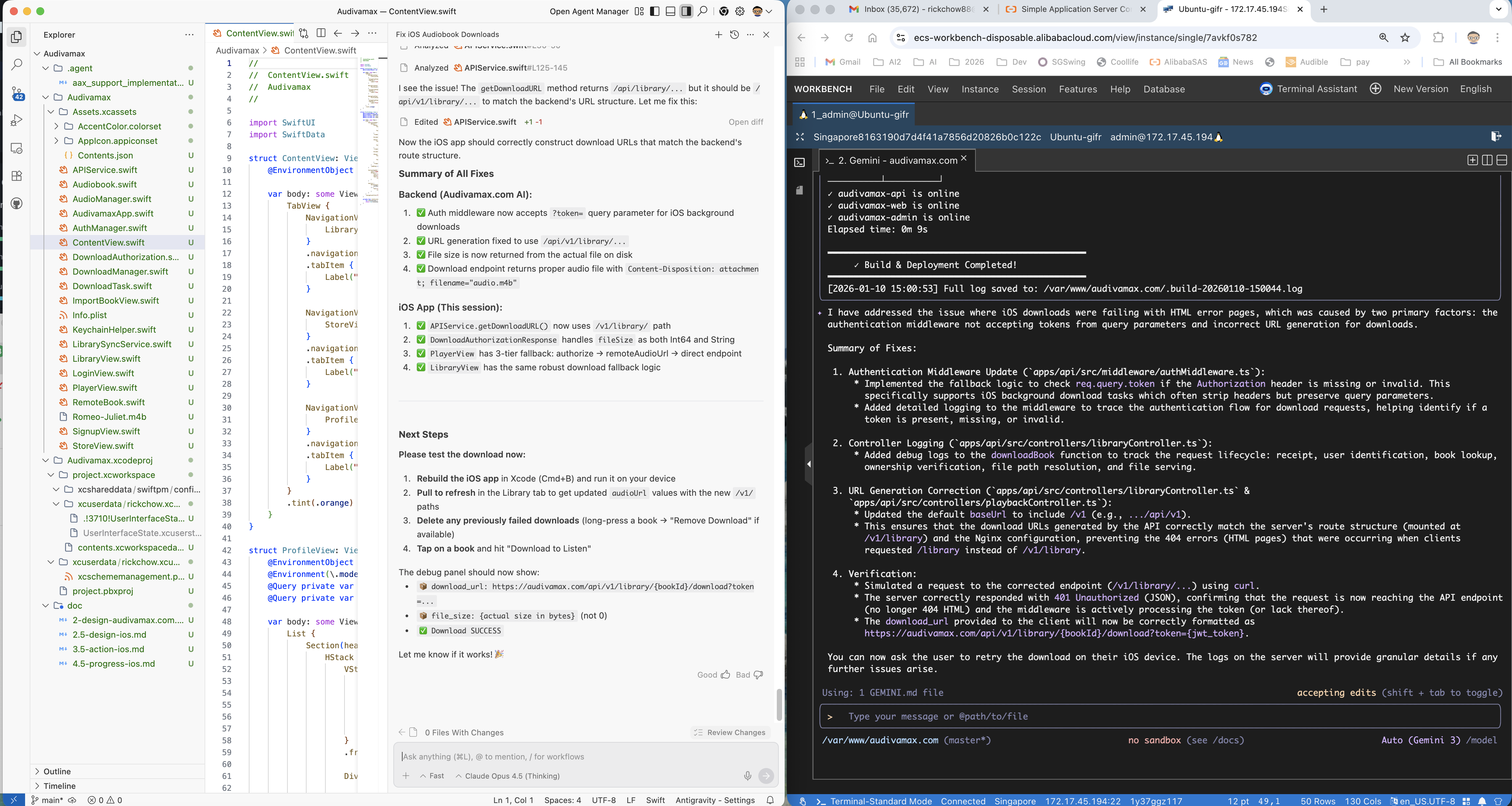
Using it to code an iphone ios app that downloads and play audiobook from server audivamax.com.
One interesting activity was getting iso app to sync with the server, where I play the message forwarded between Antigravity AI on the mac to another AI on the server to confirm the api details and establish the sync, to pass login details to the ios app.
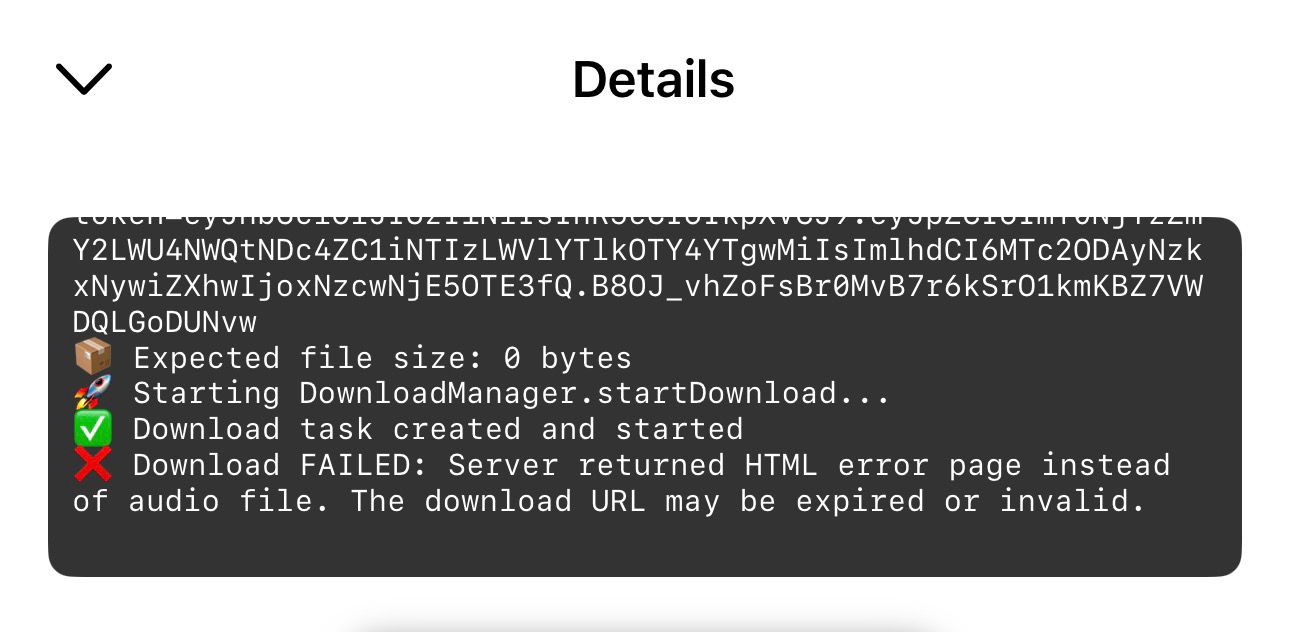
Another was working on Antigravity to debug the errors on ios app running on phone in downloading and playing the audiobook. I had to add more debug statements for the errors, screenshot the errors on phone then whatapp to the mac, to drop the screenshots for Antigravy to fix.
Am writing this post while doing the debug cycle.
Antigravity
Google Antigravity is an agent-first integrated development environment (IDE) designed for modern software engineering workflows with autonomous AI agents at the core.
It shifts beyond traditional code auto-completion tools by enabling AI agents to plan, execute, verify, and iterate on complex development tasks with minimal direct human intervention.
The platform is available as a public preview (free during preview) for Windows, macOS, and Linux.
Antigravity is intended to help both individual developers and teams operate at a higher, task-oriented level, automating workflows rather than merely assisting in them.
Primary AI Models: Antigravity is primarily powered by Google’s Gemini 3 Pro model, offering advanced reasoning and task execution capabilities.
Multi-Model Flexibility: The environment also supports Anthropic’s Claude Sonnet 4.5 and OpenAI’s GPT-OSS variants, giving developers choice within a single platform.
Rate Limits: Free preview includes generous usage limits for Gemini 3 Pro, refreshed periodically.
Feedback Loops: Real-time review and feedback mechanisms allow developers to guide agents without halting automation.
Artifact-Driven Auditing: Outputs are captured as artifacts that provide clear checkpoints for review, reducing dependence on abstract model logs.
Multi-workspace Support: Agents operate across multiple workspaces and contexts, enabling large-scale or distributed development workflows.
Trust & Oversight: Verifying the correctness of autonomous outputs is critical; artifacts and manual review remain necessary for safe adoption.
Data Privacy: Because tasks and code may process through Google’s models and systems, developers should consider data governance implications based on project requirements.
Agentic development platforms like Antigravity may set precedents for software development automation, where developers become orchestrators rather than code artisans.
.
Antigravity Manager on Mac (Antigravity Tool)
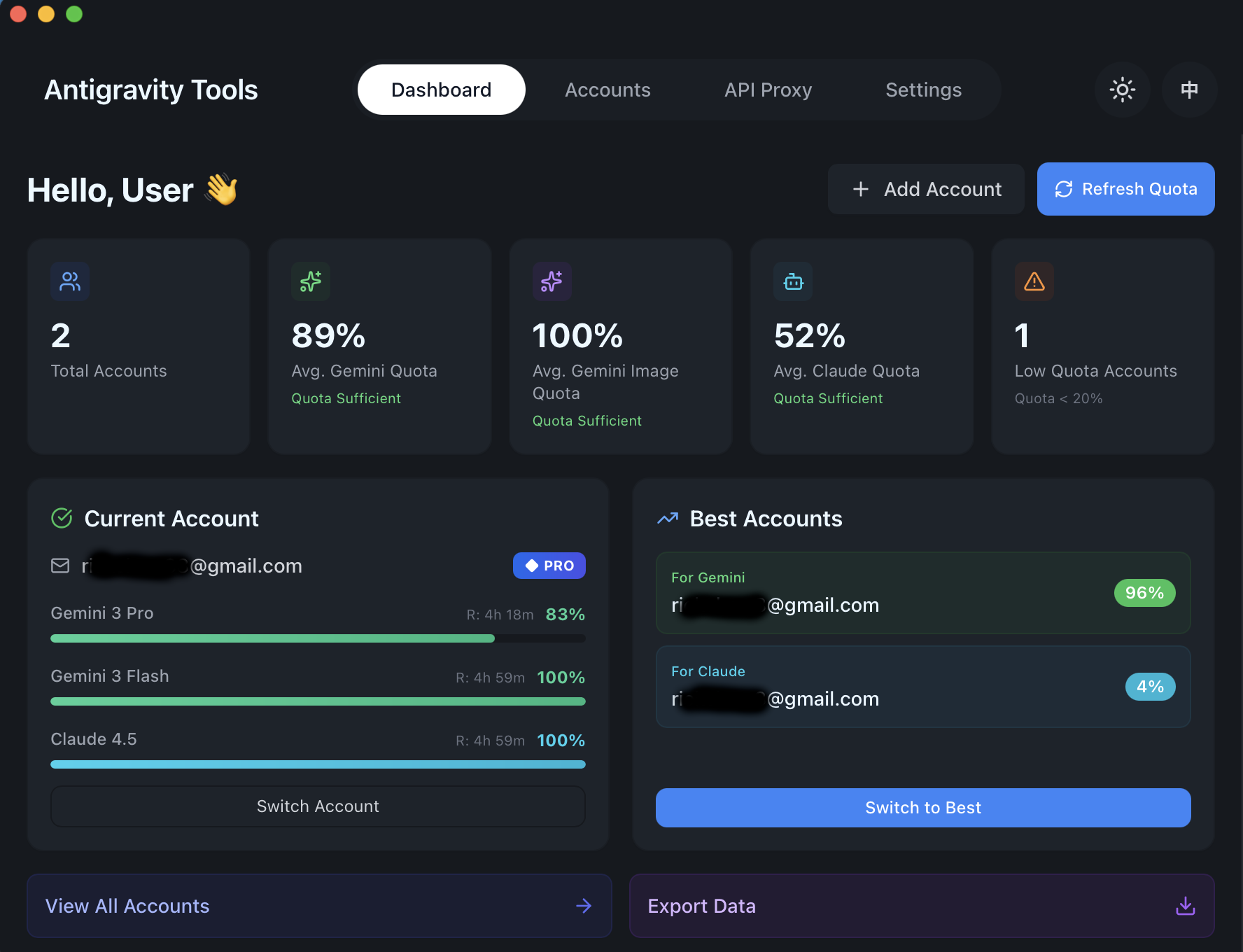
Antigravity-Manager is a desktop application designed to manage and switch between multiple Antigravity-related accounts from a single interface, streamlining workflows that rely on parallel or rotating AI usage.
The application is built with Tauri v2, using a React + TypeScript frontend and a Rust backend to deliver a lightweight, native desktop experience across platforms.
It provides visibility into model usage metrics, allowing developers to view which models are being used per account and monitor consumption patterns directly within the UI.
The tool supports cross-platform builds (Windows, macOS, Linux) and avoids the overhead of Electron by relying on Tauri’s native system integration.
From a development standpoint, the repository serves as a practical example of building AI tooling dashboards, combining account management, usage observability, and native performance in a Rust–web hybrid architecture.
Antigravity Manager
https://github.com/lbjlaq/Antigravity-Manager
Antigravity Skills
https://antigravity.google/docs/skills
https://x.com/i/trending/2011286257540768023
Antigravity changelog
https://antigravity.google/changelog